Program: POINT Center
Sustaining the Workforce: Self-Care and Professional Resilience
This session addresses burnout, secondary stress, and sustainability for frontline workers. Participants will explore individual and organizational strategies to support long-term wellness and workforce retention.
When Our Clients Age: Adapting Drug User Health for Older Adults
This webinar will help participants build practical skills for assessing and supporting older clients, including those with long-term substance use histories. Participants will explore how aging changes the way drugs affect the body, why overdose risk increases, and how common signs of substance use may present differently in older adults.
Complementary and Integrative Approaches in Substance Use Care
This training introduces complementary and integrative practices that can support individuals navigating substance use, including mindfulness, body-based approaches, and culturally grounded care models.
Chemsex and Sexualized Substance Use: Supporting Health, Safety, and Engagement
This panel discussion on chemsex or sexualized substance use, will explore the social and cultural contexts in which chemsex occurs, associated health considerations, and practical strategies for engaging individuals in affirming, nonjudgmental, and responsive ways.
Ethical and Compassionate Pregnancy Care for People at Risk for Overdose
This webinar will explore compassionate, ethical ways to provide supportive care
during pregnancy for people at risk for overdose, with a focus on respect, dignity, and practical approaches. Highlights on how nonjudgmental, evidence-informed approaches can promote health, informed choice, and personal autonomy for both the parent and baby will also be shared.
Affirming Care for Immigrant Communities: Building Inclusive and Responsive Services
This webinar focuses on turning good intentions into real, affirming practice across Maryland’s service systems to create inclusive services for immigrant communities centering respect, access, and trust. This session goes beyond theory to help you understand the barriers immigrant communities face, as well as what you and your organization can do right now to reduce them.
Sex Work, Health, and Safety: Building Trust Through Community Engagement
This webinar will focus on the intersection of sex work, health access, and community safety. Participants will explore trust-building strategies and engagement approaches that support autonomy, reduce stigma, and promote safer service environments.
Creating Stigma-Free Services: Community-Based Settings
Designed for outreach and community-based staff, this training explores how stigma shows up in everyday interactions and offers practical tools to foster welcoming, respectful environments that support engagement and retention.
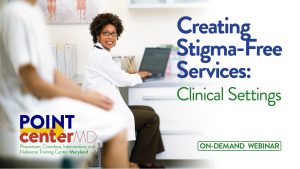
Creating Stigma-Free Services: Clinical Settings
This session focuses on reducing stigma in clinical settings serving people at risk of overdose, with an emphasis on improving patient experience, strengthening provider communication, and implementing systems-level changes that enhance engagement, retention in care, and overall health outcomes across Maryland.
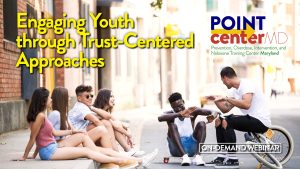
Engaging Youth Through Trust-Centered Approaches
Focused on adolescents and young adults, this session explores developmentally appropriate, trust-centered engagement strategies that support safety, autonomy, and connection to services.